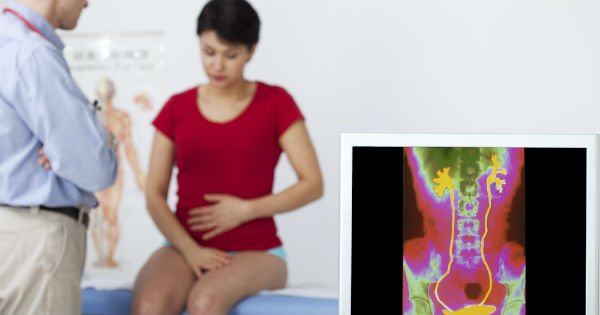
Stress urinary incontinence (SUI) is but one of many types of urinary incontinence, which is defined as the involuntary and accidental leakage of urine. In the case of SUI, it mostly affects women, with approximately one third of women experiencing SUI at some point in their lives. While it can happen to women at any time in their lives, SUI becomes more of an issue in the 35 to 60 year age bracket.
While SUI rarely affects men, they can in fact develop this inconvenient condition following prostrate surgery or severe injury to the pelvic area.
SUI occurs when the sphincter (a muscle that contracts at the opening of the bladder) fails to stay closed when there’s pressure on the abdomen, combined with already strained pelvic floor muscles, thus resulting in accidental leakage of urine. Pressure or stress on the abdomen can occur when one coughs, sneezes, or laughs; exercises; lifts something heavy; has sex; and in severe cases, when one makes sudden movements or even gets up from sitting down.
As you can see from the list above, SUI can have a dramatic and trying effect on one’s daily life, as there is an ever present risk of this occurring and one must constantly consider whether a certain action – once taken for granted – will result in uncomfortable and involuntary urine leakage.
But what causes this weakening of the sphincter and pelvic floor muscles? In women, those most affected by SUI, this can develop as the result of:
– Pregnancy: Around 50% of pregnant women suffer to varying degrees from SUI. This is because they are carrying the increasing weight of the baby, putting extra pressure on the pelvic floor. In addition, the muscles of the pelvic floor relax in preparation for the mother to give birth, thus causing a lack of control and possible SUI.
– Childbirth: Due to the tremendous pressure put on the pelvis during vaginal delivery, it is quite likely that the nerves in that area become stretched and bruised.
– Hysterectomy: As this surgery involves the removal of the uterus, it carries the risk of causing damage to the pelvic floor area.
– Excess weight: Those who are overweight are twice as likely to experience SUI due to increased pressure on their abdomen.
If you think you are suffering from SUI, it is important to get it seen by an urologist NYC. A urologist New York City can work with you to decide upon the best treatment for your SUI condition. From lifestyle changes (such as losing weight; monitoring fluid intake), to medication such as duloxetine hydrochloride (Yentreve), to surgical procedures, your urologist New York has a solution for you.
Learn more about:
Urologist New York
Urologist New York City
Urologist NYC